
Suzuki Vitara Common Faults in the UK
current generation 2015–on — small SUV. Updated 25 November 2026.
This guide covers the current generation 2015–on. For any other version of the Vitara, see how to check any car for known faults.
What Car? ranks the Suzuki Vitara eighth of 23 small SUVs at 97.7%, with Suzuki third of 31 brands (page updated 10 January 2025). DVSA lists recalls for unintended braking (R/2015/165), rear axle bolts (R/2016/041) and a brake vacuum pump check valve on 2018 to 2019 builds (R/2022/267), so check each car by registration. Vitaras registered 2015–2022 pass the MOT above all cars registered those years in every one of the 8 years DVSA’s table covers.
Largest DVSA recall for the Vitara: R/2022/267, 71,508 vehicles in the whole recall — Some vehicles have an inappropriate design and material on check valve of vacuum pump.
89.1% of Suzuki Vitaras pass the MOT first time, 4.6 points better than the national average for cars of the same age (84.5%). Counted from 7,454 DVSA tests on cars registered 2015–2022; a pass with rectification at the station counts as a pass here, and as a failure in DVSA's own initial-test measure.
Source: DVSA MOT Anonymised Data 2025 (Open Government Licence v3.0), a sample of the 2025 file (about one test in ten, from nine months). Class 4 tests in Great Britain, test type NT (a normal annual test), retests excluded. A pass, or a pass with rectification at the station, counts as a pass here (passed on the day); DVSA's own initial-test measure counts a rectified pass as a failure and so reports a lower figure. Testing in Northern Ireland is run separately by the DVA under its own rules. Compared against cars of the same registration years, because pass rates otherwise mostly measure how old a model's surviving fleet is.
See it by registration year and by mileage ↓What a Suzuki Vitara costs on Autoza now
Median asking price of the Suzuki Vitara on autoza.co.uk on 27 November 2026, by the year the car was first registered:
- Registered 2015–2017: £7,190
- Registered 2021–2023: £15,495
Asking prices on autoza.co.uk on 27 November 2026, not what buyers pay, worked out from the cars on sale when this page is generated. A year band is shown only when at least 10 cars qualify. Only cars first registered from 2015, the years this guide covers, are counted.
The asking-price figures above are the middle 80% and the median of what sellers were asking on Autoza on 27 November 2026 — not what buyers pay — for Suzuki Vitara cars registered from 2015. They are worked out from the cars on sale when this page is generated, and none is shown when fewer than 10 cars qualify. The road tax line comes from GOV.UK's vehicle tax rate tables (2026/27 rates). The fuel economy tile names the source it rests on or says there is no sourced figure, and the insurance tile gives no figure. We do not publish a UK price index, and no figure here should be quoted as one.
Best and worst years to buy
We name a year as a best or worst buy only where the DVSA MOT table further down does not rate it the other way.
DVSA’s MOT table rates every Vitara registration year from 2015 to 2022 above all cars registered that year (by 3.2 to 6.7 points), so no single year stands out. The recalls follow build dates, not registration years. What Car? ranks the Vitara eighth of 23 small SUVs at 97.7% (its page, updated 10 January 2025). MOT results measure roadworthiness at the test, not engine or electronics reliability.
No year is named as one to avoid: DVSA’s MOT table rates no Vitara registration year from 2015 to 2022 below the average for its year. Judge a car by its registration, its record and the recall checks below. That is not clearance: DVSA lists five recalls and What Car? notes electrical and suspension niggles, set out below.
Which Suzuki Vitara years to avoid?
No Suzuki Vitara registration year stood out as worse than average at MOT in 2025. Across the 8 registration years from 2015 to 2022 with enough tests to measure, none failed clearly more often than all cars registered in the same year (clearly: 3 or more percentage points and beyond the sampling margin).
2015, 2016, 2017, 2018, 2019, 2020, 2021 and 2022 registrations did better than average, failing clearly less often than all cars registered the same year.
Separately, 3 of the 5 DVSA recalls listed for this model cover cars built in 2015: that is the build-date stretch with the most recalls, so check any car from it by registration.
This is MOT test data: the MOT is a roadworthiness test, not a full reliability record, and it does not check the engine, clutch or gearbox. “Failed” means failed on the day, with cars fixed during the test counted as passes. A year is marked only where its gap is 3 points or more and beyond the 95% sampling margin for that many tests. See the full MOT results by year and mileage.
| Registered | Vitara failed | All cars that year | Tests |
|---|---|---|---|
| 2022did better than average | 5.0% | 8.8% | 585 |
| 2021did better than average | 5.1% | 9.9% | 730 |
| 2020did better than average | 5.5% | 11.3% | 527 |
| 2019did better than average | 8.9% | 13.1% | 1,337 |
| 2018did better than average | 12.3% | 15.5% | 1,227 |
| 2017did better than average | 14.1% | 17.8% | 1,251 |
| 2016did better than average | 13.9% | 20.6% | 1,189 |
| 2015did better than average | 18.2% | 23.3% | 593 |
Source: DVSA MOT Anonymised Data 2025 (Open Government Licence v3.0). Contains public sector information licensed under the Open Government Licence v3.0.
Known faults — Suzuki Vitara current generation 2015–on
How to read this list. Items marked Safety recall are DVSA safety recalls, shown with DVSA’s own reference. Whether a particular car is affected depends on when it was built: check it by registration through GOV.UK’s vehicle recall check. Everything else in this list is owner-reported: what the UK publication named on each card reports from its owner surveys and tests. Those are worth checking on a viewing, but we hold no count of how many cars have each one, other than any survey share a card itself quotes. Treat an owner-reported item as a question to ask, not a fault this car has.
Brake vacuum pump check valve (2018–2019 builds)
- Symptoms
- DVSA wording: some vehicles have an inappropriate design and material on the check valve of the brake vacuum pump, and the check valve is replaced.
- Years affected
- Vitara built 21 September 2018 to 27 May 2019
- Indicative repair (UK)
- Free under recall
- What to check before buying
- Check this one by registration through GOV.UK’s vehicle recall check (gov.uk/check-vehicle-recall) before you buy — an outstanding recall is free to put right and a completed one should be on the service record. On a 2018–2019 car, check the brake pedal feels firm and consistent, and ask for the dealer record.
Fuel vapour carbon canister (2019–2024 builds)
- Symptoms
- DVSA wording: the EVAP carbon canister should be filled with activated carbon, but an air gap may develop inside during use and degrade its performance, with a risk that fuel evaporation gas will leak into the atmosphere. The canister is replaced.
- Years affected
- Vitara built 13 September 2019 to 21 March 2024
- Indicative repair (UK)
- Free under recall
- What to check before buying
- Check this one by registration through GOV.UK’s vehicle recall check (gov.uk/check-vehicle-recall) before you buy — an outstanding recall is free to put right and a completed one should be on the service record. On a 2019 or later car, ask whether the canister has been replaced.
Emission outputs that may not be correct (2015–2016 builds)
- Symptoms
- DVSA wording: vehicle emission outputs may not be correct, and a software upgrade is carried out.
- Years affected
- Vitara built 7 February 2015 to 23 September 2016
- Indicative repair (UK)
- Free under recall
- What to check before buying
- Check this one by registration through GOV.UK’s vehicle recall check (gov.uk/check-vehicle-recall) before you buy — an outstanding recall is free to put right and a completed one should be on the service record. On a 2015 or 2016 car, ask whether the software upgrade has been done.
Rear axle bolts that can loosen (late 2015 builds)
- Symptoms
- DVSA wording: the fixing bolts for the rear axle were mixed with bolts that have no anti-friction coating, so a bolt may loosen, come off or break and the vehicle could become impossible to drive. The rear axle bolts are replaced. What Car? describes it on its page updated 10 January 2025.
- Years affected
- Vitara built 29 October 2015 to 17 December 2015
- Indicative repair (UK)
- Free under recall
- What to check before buying
- Check this one by registration through GOV.UK’s vehicle recall check (gov.uk/check-vehicle-recall) before you buy — an outstanding recall is free to put right and a completed one should be on the service record. On a late-2015 or 2016 car, ask for the dealer record showing the axle bolts were replaced.
Unintended braking from the radar brake support (early 2015 builds)
- Symptoms
- DVSA wording: due to an error in production the Radar Brake Support System may not have been correctly programmed, and in certain instances may not recalibrate and could cause unnecessary braking. The control unit is reprogrammed. What Car? describes it on its page updated 10 January 2025.
- Years affected
- Vitara built 7 January 2015 to 6 May 2015
- Indicative repair (UK)
- Free under recall
- What to check before buying
- Check this one by registration through GOV.UK’s vehicle recall check (gov.uk/check-vehicle-recall) before you buy — an outstanding recall is free to put right and a completed one should be on the service record. On an early-2015 car, ask whether the brake support unit was reprogrammed and watch for sudden braking on the test drive.
Electrical niggles, suspension wear and hybrid battery warnings
- Symptoms
- What Car? says its readers generally praised the Vitara’s reliability, with many reporting few if any faults and the petrol engines commended for durability, but there were isolated mentions of electrical issues such as faulty warning lights and malfunctioning infotainment, occasional criticism of premature wear to suspension components, and intermittent battery-related warnings on hybrid models that were often resolved quickly. Its page is updated 10 January 2025.
- Years affected
- Current generation 2015–on
- What to check before buying
- Pair a phone, test every screen function, check no warning light stays on, and listen for knocks from the suspension on rough roads.
Fault rate in owner surveys
- Symptoms
- Auto Express says 12.8 per cent of Vitara owners reported a fault of some description in the 2022 Driver Power new-car survey, about 20 per cent of which were exterior paint and trim issues and 80 per cent miscellaneous. It adds that the Vitara has been recalled twice for the Mk4 and that all engines have timing chains. Its page is published 8 September 2022.
- Years affected
- Current generation 2015–on
- What to check before buying
- Check the paint and trim for chips and fading, and ask for the service history.
Cars like this for sale now
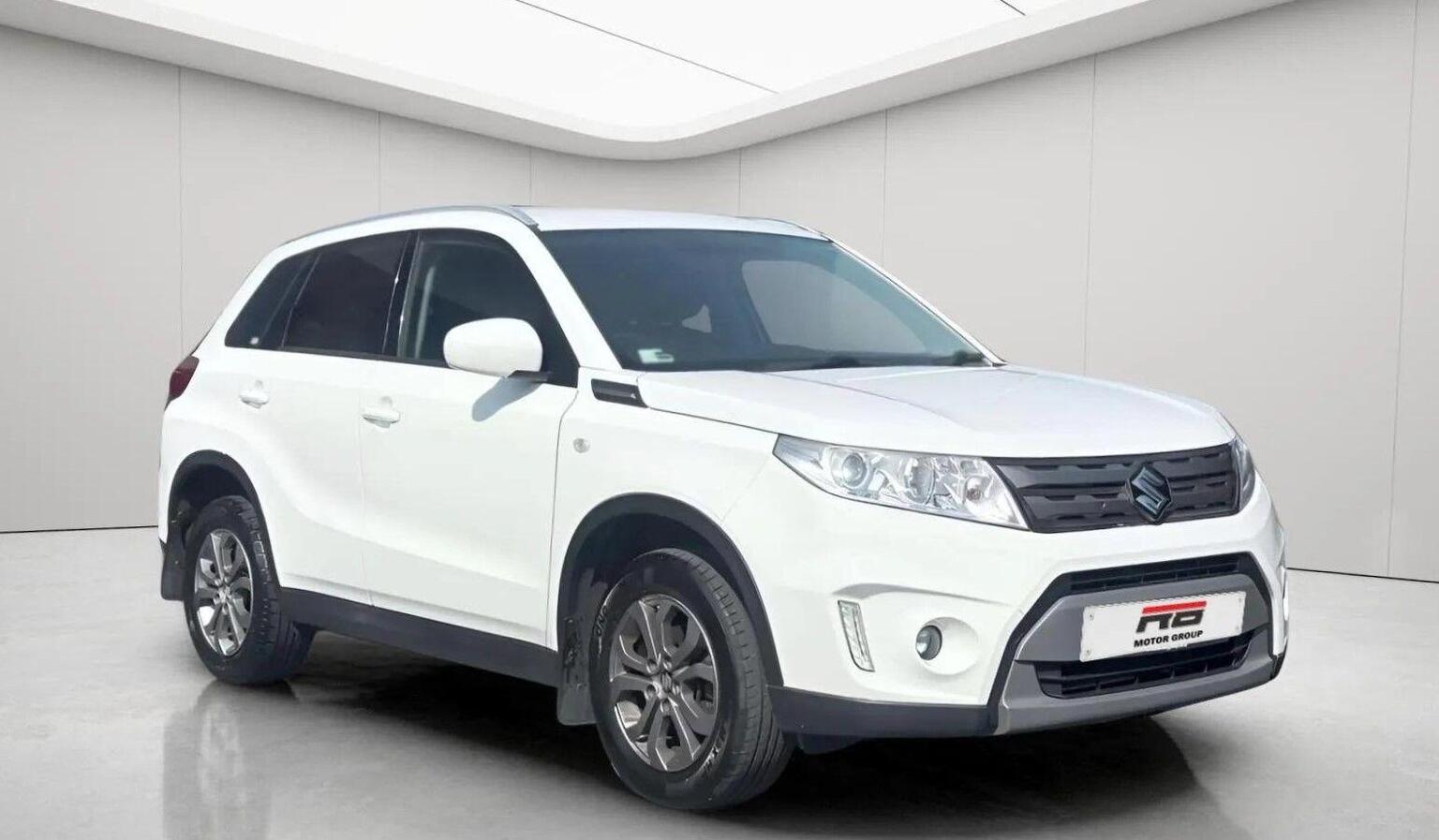
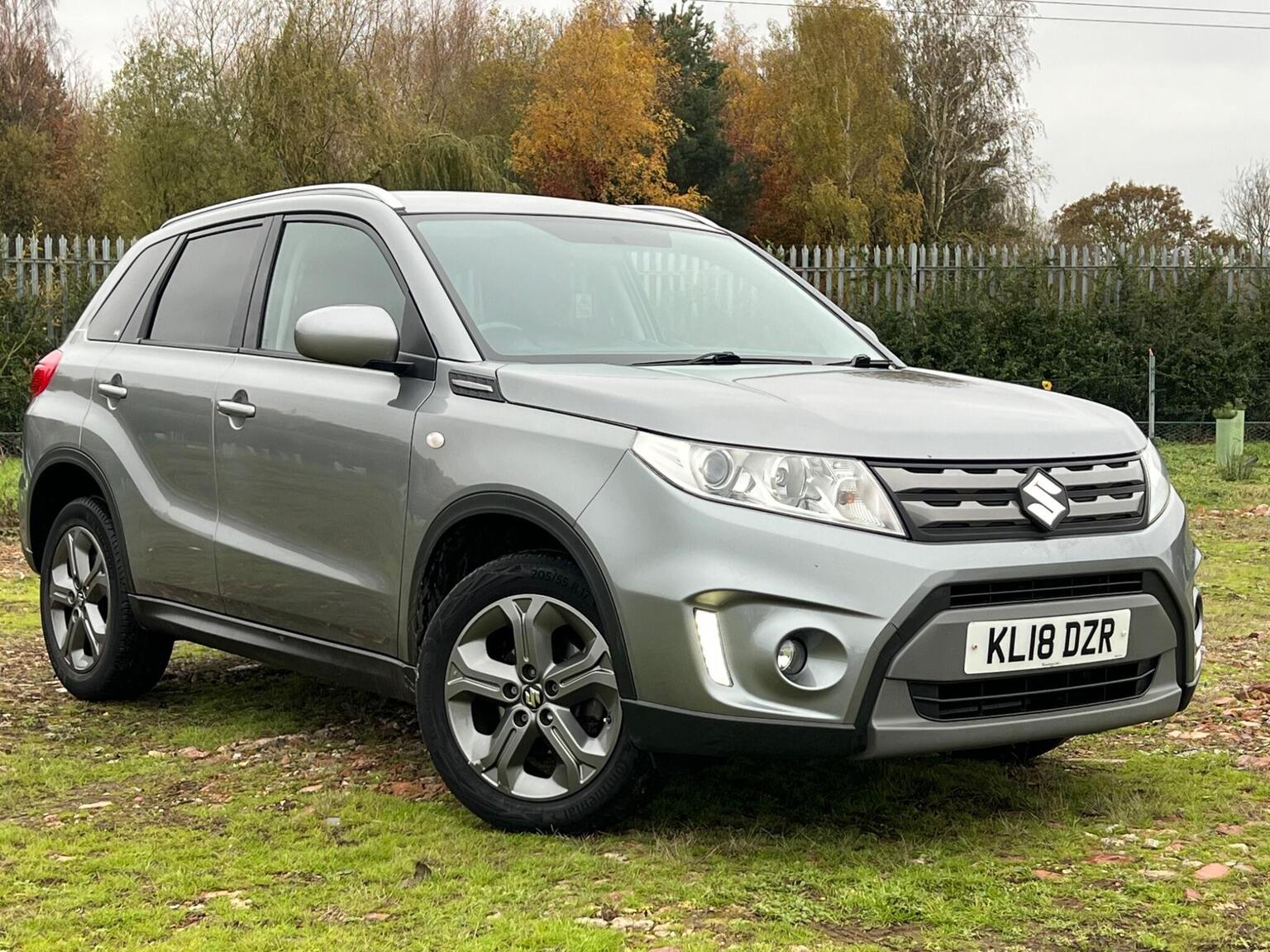
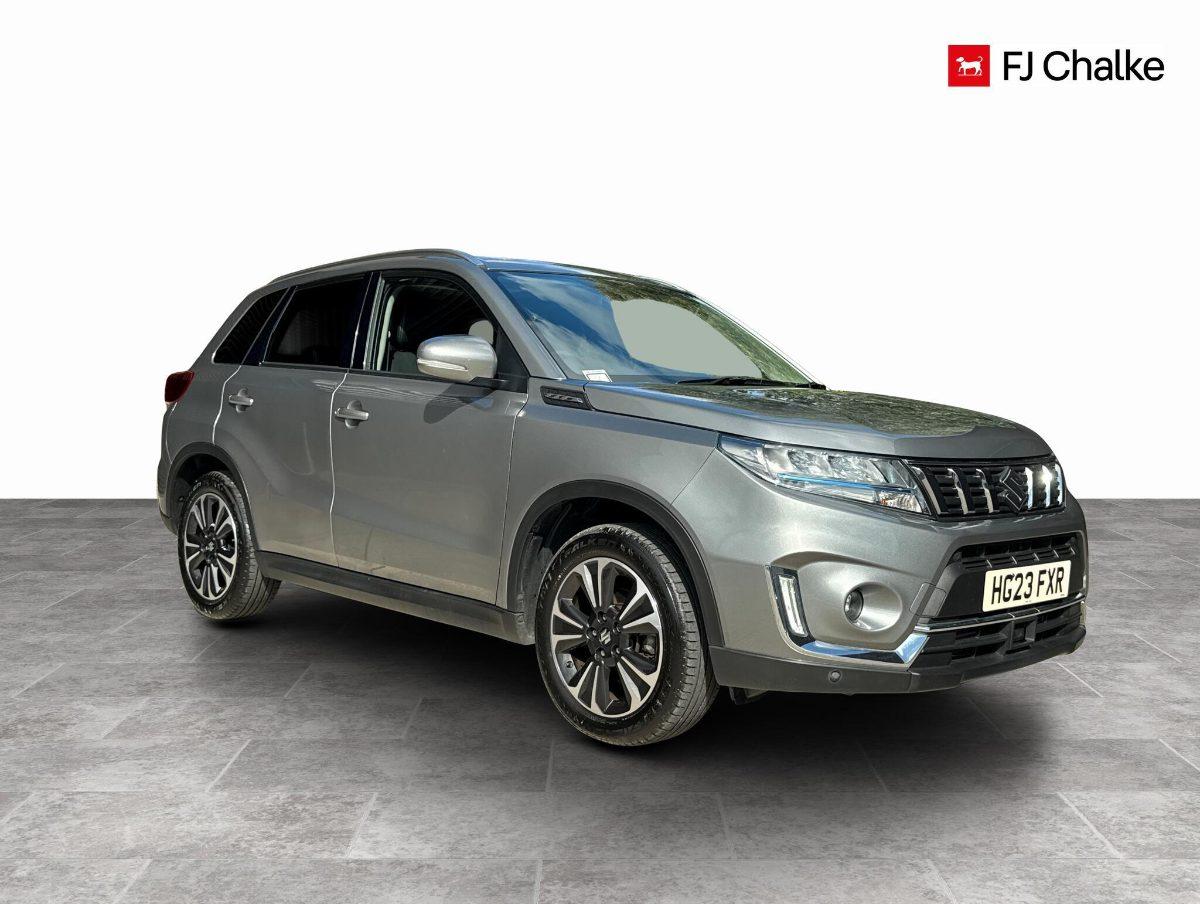
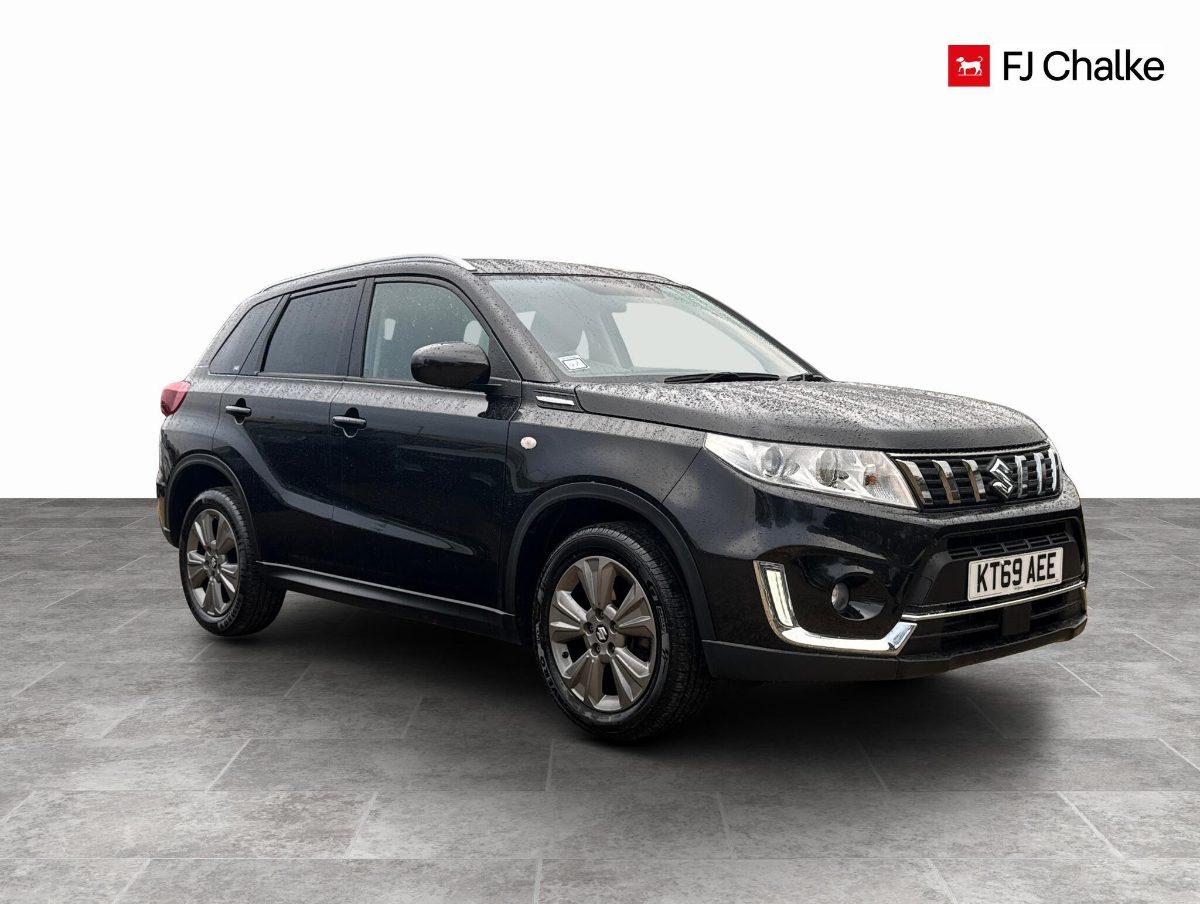
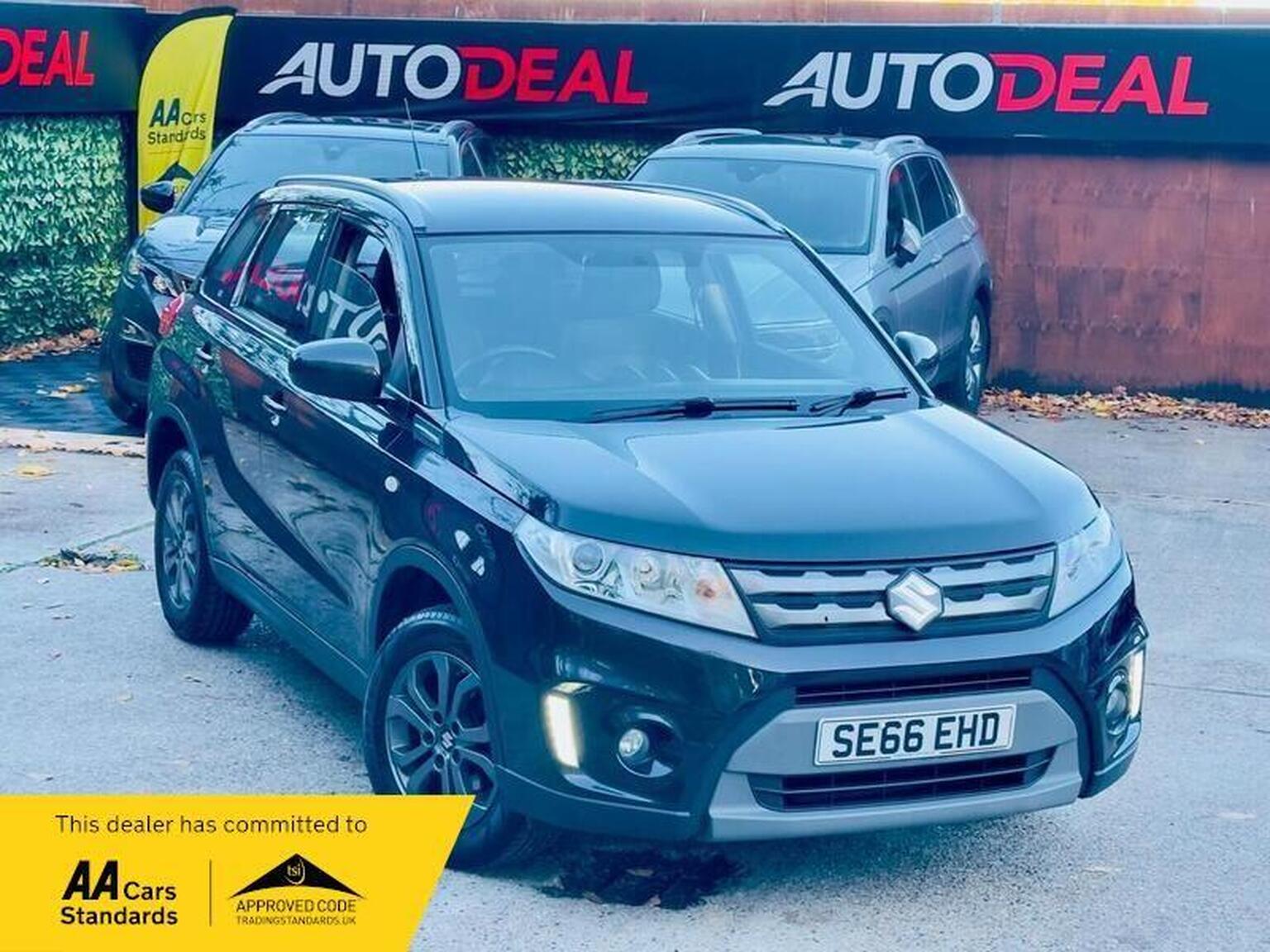
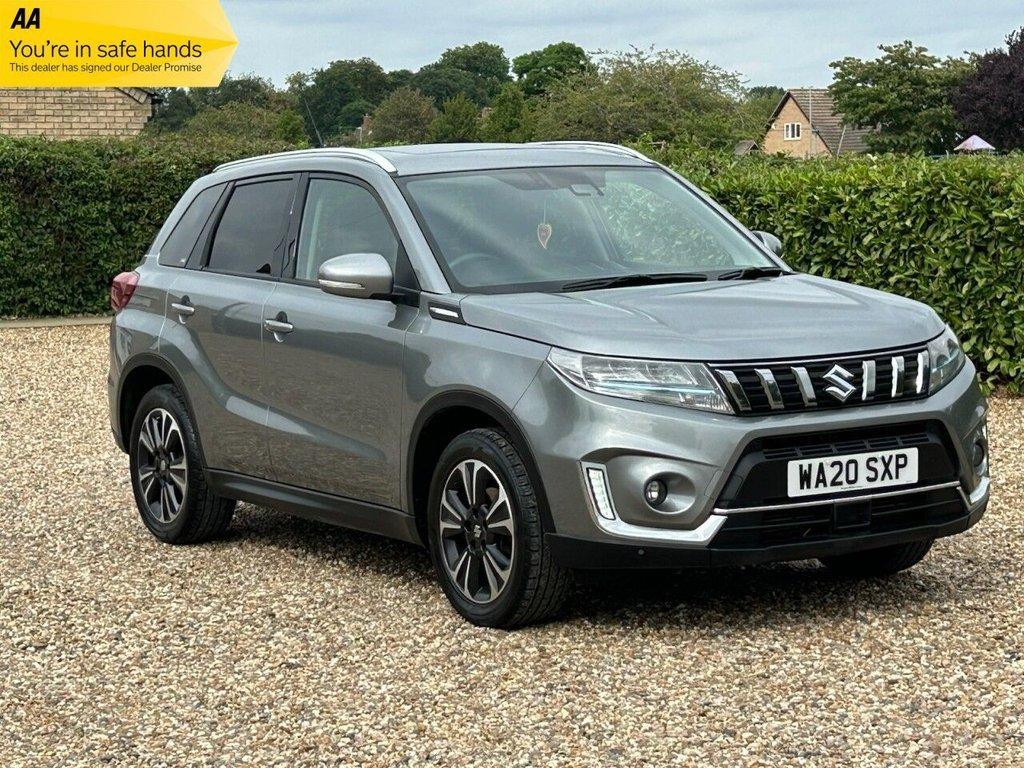
Used Suzuki Vitara adverts on Autoza, each from a dealer you can contact from the advert.
Suzuki Vitara MOT results by year and mileage
Measured from DVSA’s own MOT test records for tests carried out in 2025, not from owner reports.
By registration year
Against all cars registered in the same year, the MOT pass rate for the Vitara was higher in every one of the 8 registration years from 2015 to 2022 with enough tests to measure. The widest gap above is 2016 registrations: 86.1% against 79.4%.
Pass rate here: passed on the day, cars fixed during the test included. Rows: every Suzuki Vitara DVSA tested in 2025, by registration year (2015–2022), all engines and fuels together.
| Registered | Vitara | All cars that year | Difference |
|---|---|---|---|
| 2022585 tests | 95.0% | 91.2% | +3.8 higher |
| 2021730 tests | 94.9% | 90.1% | +4.8 higher |
| 2020527 tests | 94.5% | 88.7% | +5.8 higher |
| 20191,337 tests | 91.1% | 86.9% | +4.2 higher |
| 20181,227 tests | 87.7% | 84.5% | +3.2 higher |
| 20171,251 tests | 85.9% | 82.2% | +3.7 higher |
| 20161,189 tests | 86.1% | 79.4% | +6.7 higher |
| 2015593 tests | 81.8% | 76.7% | +5.1 higher |
By mileage at the test
Against cars of the same age on the same mileage, the pass rate for the Vitara was higher in every one of the 2 mileage bands with enough tests. How other models compare at the same mileage.
Show the table by mileage (2 bands)
| Mileage | Vitara | Same age and mileage | Difference |
|---|---|---|---|
| 20k–40k2,113 tests | 93.8% | 89.2% | +4.6 higher |
| 40k–60k2,191 tests | 89.0% | 84.2% | +4.8 higher |
Only a major or dangerous defect fails an MOT. A minor defect is recorded on the certificate and the car still passes, and an advisory is not a failure at all.
We don’t give a recall count for the Suzuki Vitara: whether a recall applies depends on the individual car. Check the one you are looking at by entering its registration on GOV.UK’s vehicle recall checker, and see how to check a car for known faults for the other free checks.
Source: DVSA MOT Anonymised Data 2025 (Open Government Licence v3.0), a sample of the 2025 file (about one test in ten, from nine months) (3,459,000 tests). Class 4 tests in Great Britain, test type NT (a normal annual test), retests excluded. A pass, or a pass with rectification at the station, counts as a pass here (passed on the day); DVSA's own initial-test measure counts a rectified pass as a failure and so reports a lower figure. Odometer readings below 100 or above 400,000 miles are discarded as misreadings, and cars under three years old are excluded because no MOT is yet due. Sampled from nine months of 2025 (January, February, April, May, July, August, September, October and November). Testing in Northern Ireland is run separately by the DVA under its own rules. Registration years shown are cars 3 to 12 years old when tested; the smallest rests on 527 tests. A gap is called level when it is under one percentage point or inside the 95% sampling margin for that number of tests. Contains public sector information licensed under the Open Government Licence v3.0.
What fails at the MOT: DVSA 2025 results
Across 72,087 Suzuki Vitara MOT tests in 2025 (all versions together), these defects turned up most often. This guide covers the current generation 2015–on; the figures are for every Suzuki Vitara tested, of any generation.
Where it stands out
The parts groups where Suzuki Vitara tests carried a defect more often than cars of the same age and mileage:
- Lamps, reflectors and electrical. 6.4% of tests, against 4.6% for cars of the same age and mileage (1.4 times the rate).
What is found most often
The five defects found most often on Suzuki Vitara tests, each compared with cars of the same age where it stands out:
- Tyre tread below the 1.6mm legal minimum. On 2.7% of Suzuki Vitara tests, 1.4 times the rate for cars of the same age.
- Position lamp: not working. On 2.6% of Suzuki Vitara tests, 2.8 times the rate for cars of the same age.
- Stop lamp: not working. On 2.0% of Suzuki Vitara tests, 2.1 times the rate for cars of the same age.
- Wipers do not clear the windscreen effectively. On 1.8% of Suzuki Vitara tests.
- Brake pads worn below 1.5mm. On 1.3% of Suzuki Vitara tests.
The MOT checks safety and emissions items, not the engine, clutch or gearbox, so this is one measure of how each car holds up rather than a full reliability verdict. These figures describe the model, all its versions together, not this particular car.
From DVSA’s 2025 MOT results. See the full analysis
Who this car suits — and who should look elsewhere
Buyers who want a small SUV with a strong survey record and will keep the recall paperwork for an early car.
Anyone buying a 2015 or 2016 car without checking the braking, axle bolt and emissions recalls by registration.
Alternatives to consider
If the Suzuki Vitara doesn't suit, these comparable models are worth a look in the UK market:
Suzuki Vitara: questions buyers ask
What are the most common faults on a used Suzuki Vitara in the UK?
What Car? ranks the Suzuki Vitara eighth of 23 small SUVs at 97.7%, with Suzuki third of 31 brands (page updated 10 January 2025). DVSA lists recalls for unintended braking (R/2015/165), rear axle bolts (R/2016/041) and a brake vacuum pump check valve on 2018 to 2019 builds (R/2022/267), so check each car by registration. Vitaras registered 2015–2022 pass the MOT above all cars registered those years in every one of the 8 years DVSA’s table covers.
What is the best year to buy a used Suzuki Vitara in the UK?
Best-buy years: no single year stands out. DVSA’s MOT table rates every Vitara registration year from 2015 to 2022 above all cars registered that year (by 3.2 to 6.7 points), so no single year stands out. The recalls follow build dates, not registration years. What Car? ranks the Vitara eighth of 23 small SUVs at 97.7% (its page, updated 10 January 2025). MOT results measure roadworthiness at the test, not engine or electronics reliability.
What years of Suzuki Vitara should I avoid in the UK?
No specific year of the current generation 2015–on Suzuki Vitara is generally avoided. No year is named as one to avoid: DVSA’s MOT table rates no Vitara registration year from 2015 to 2022 below the average for its year. Judge a car by its registration, its record and the recall checks below. That is not clearance: DVSA lists five recalls and What Car? notes electrical and suspension niggles, set out below.
How much does a used Suzuki Vitara cost in the UK in 2026?
What sellers were asking on Autoza on 27 November 2026, for Suzuki Vitara cars registered from 2015: £6,680–£17,455, median £9,995 — the range is the middle 80% of asking prices. Those are asking prices, not what buyers paid, and not a UK price index. Prices vary by mileage, region and trim, so compare several adverts of the same year and mileage band before negotiating.
What is the road tax (VED) on a Suzuki Vitara in the UK?
Annual road tax (VED): £200/year standard rate from the second year, hybrids included — the alternative-fuel discount ended on 1 April 2025. A car registered from April 2017 with a list price over £40,000 when new adds the £440/year Expensive Car Supplement in years 2–6 (£640 in all). Cars registered 2001–2017 pay a CO2 band, roughly £20–£790/year (2026/27 rates).
What real-world fuel economy does a Suzuki Vitara achieve on UK roads?
No sourced real-world figure for the Vitara, so none is printed: the official lab figure depends on the engine and on the test cycle the car was approved under, so use the figure for the exact version you are looking at.
How does a Suzuki Vitara compare to its rivals?
Strong alternatives in the UK: Nissan Juke, Nissan Qashqai, Renault Captur, Toyota C-HR. Choose based on dealer network in your area, parts availability, and your priorities (running cost vs. cabin quality vs. badge).
Who is the Suzuki Vitara most suitable for?
Buyers who want a small SUV with a strong survey record and will keep the recall paperwork for an early car.
Who should NOT buy a Suzuki Vitara?
Anyone buying a 2015 or 2016 car without checking the braking, axle bolt and emissions recalls by registration.
Are there safety recalls on the Suzuki Vitara?
DVSA lists 5 safety recalls for the Suzuki Vitara that this guide shows or names, the largest first: R/2022/267 (71,508 vehicles in the whole recall, built between 21 September 2018 and 27 May 2019): Some vehicles have an inappropriate design and material on check valve of vacuum pump; R/2025/127 (29,573 vehicles, built between 13 September 2019 and 21 March 2024): Canister Replacement; R/2021/059 (7,001 vehicles in the whole recall, built between 7 February 2015 and 23 September 2016): Vehicle emission outputs may not be correct. Whether a particular car is affected depends on its build date and VIN, so check its registration on GOV.UK (gov.uk/check-vehicle-recall) before you buy.
Is the Brake vacuum pump check valve (2018–2019 builds) on the Suzuki Vitara a serious problem?
Brake vacuum pump check valve (2018–2019 builds) on the Suzuki Vitara is covered by DVSA safety recall R/2022/267. Symptoms: DVSA wording: some vehicles have an inappropriate design and material on the check valve of the brake vacuum pump, and the check valve is replaced. Years affected: Vitara built 21 September 2018 to 27 May 2019. Indicative repair cost in the UK: Free under recall. What to check before buying: Check this one by registration through GOV.UK’s vehicle recall check (gov.uk/check-vehicle-recall) before you buy — an outstanding recall is free to put right and a completed one should be on the service record. On a 2018–2019 car, check the brake pedal feels firm and consistent, and ask for the dealer record.
Is the Fuel vapour carbon canister (2019–2024 builds) on the Suzuki Vitara a serious problem?
Fuel vapour carbon canister (2019–2024 builds) on the Suzuki Vitara is covered by DVSA safety recall R/2025/127. Symptoms: DVSA wording: the EVAP carbon canister should be filled with activated carbon, but an air gap may develop inside during use and degrade its performance, with a risk that fuel evaporation gas will leak into the atmosphere. The canister is replaced. Years affected: Vitara built 13 September 2019 to 21 March 2024. Indicative repair cost in the UK: Free under recall. What to check before buying: Check this one by registration through GOV.UK’s vehicle recall check (gov.uk/check-vehicle-recall) before you buy — an outstanding recall is free to put right and a completed one should be on the service record. On a 2019 or later car, ask whether the canister has been replaced.
Check these next
The guide above is about the Suzuki Vitara as a model. These are about the car in front of you.
- Browse Suzuki Vitara listings on AutozaEvery one listed now.
- Check any car by its registrationFree: its MOT history, tax status and any open recall, from a number plate.
- Work out the road tax for the VitaraVehicle tax (VED) by registration date, CO2 and list price.
- Work out the monthly payment on a £9,995 VitaraThe median asking price on Autoza on 27 November 2026, not what buyers pay: change it to the car you are looking at.
- What is your Vitara worth?A price range from dealers' asking prices for comparable cars.
More checks on a Suzuki Vitara
A fault list tells you what goes wrong; these tell you about the car in front of you.
Looking to buy a Suzuki Vitara in the UK?
Search Autoza listings filtered by year, mileage, and region. Every dealer page shows the business name, address and contact details, so you can check the business before you enquire.